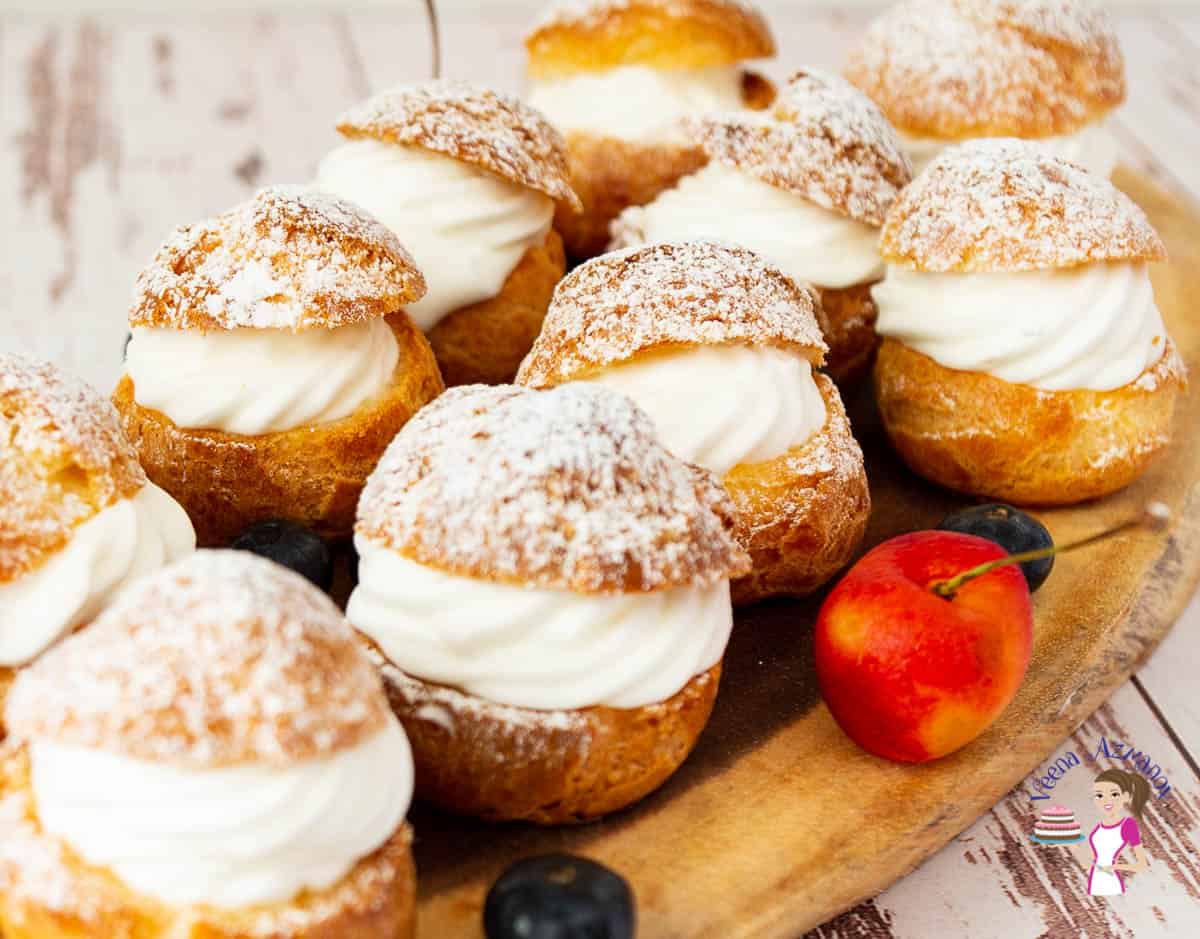
Master Perfect Cream Puffs: Foolproof Choux Pastry & Filling Tips
There's something truly magical about a freshly baked cream puff. That delicate, airy shell, generously filled with a sweet, luxurious cream, and often dusted with a whisper of powdered sugar – it’s a classic French dessert that transports you straight to a Parisian *patisserie*. While the idea of baking such an elegant treat at home might seem daunting, we're here to tell you that mastering the perfect cream puff is far easier than you might imagine. Forget relying on bakeries; this comprehensive guide will walk you through a foolproof
cream puffs recipe, ensuring you can whip up these delightful pastries whenever the craving strikes.
Many assume choux pastry, the foundation of a cream puff, is complex, but it's surprisingly simple to create from scratch. With just a few basic ingredients and some key techniques, you’ll be baking impressive, bakery-quality cream puffs in under an hour. Get ready to impress your friends, family, and most importantly, yourself, with these surprisingly simple and utterly delicious homemade treats.
Unlocking the Secret to Sublime Choux Pastry: The Foundation of Your Cream Puffs
The heart of any great cream puff is its choux pastry shell. Known in French as *pâte à choux*, this versatile dough is a baker's best friend, forming the basis for not only cream puffs but also éclairs, gougères, and churros. The beauty of choux lies in its simplicity and the remarkable way it puffs up in the oven, creating a hollow cavity perfect for filling.
The process begins on the stovetop, where water (or milk), butter, and a pinch of salt are brought to a gentle boil. Once the butter is fully melted, the magic starts. All-purpose flour is added in one swift motion, and this is where your muscles come in! You'll need to stir vigorously with a sturdy wooden or metal spoon. A flimsy spatula simply won't cut it, as the dough will quickly thicken. Continue stirring and "drying out" the dough over medium heat for a few minutes until it forms a smooth ball and pulls away cleanly from the sides and bottom of the pan, leaving a thin film on the pan's surface. This crucial step ensures the right consistency for maximum puff.
Next, remove the pan from the heat and allow the dough to cool slightly for a few minutes. This prevents the eggs from scrambling when they are incorporated. Eggs are then added one at a time, mixing thoroughly after each addition until fully absorbed. The dough will look lumpy and separated initially, but with persistent stirring, it will come together into a smooth, glossy, pipeable consistency. This process incorporates air and moisture, which later converts to steam in the oven, causing the pastry to puff dramatically.
Once your choux pastry is ready, it's time to pipe! Using a piping bag with a round tip (or simply cutting the corner off a Ziploc bag), pipe uniform mounds onto a parchment-lined baking sheet. Consistency in size is key for even baking. For an extra crisp texture and beautiful golden finish, you might brush the tops lightly with an egg wash before baking.
Baking choux pastry requires a keen eye. Initially, a higher temperature helps the pastry puff rapidly. Then, the temperature is often lowered to allow the puffs to dry out and become crisp without browning too quickly. Remember, a cream puff that is removed from the oven too early will likely collapse, as the interior hasn't had enough time to set and crisp. Look for a deep golden-brown color and a firm shell before taking them out. For more expert insights into achieving that perfect bakery-quality result, explore our guide on
Bake Bakery-Quality Cream Puffs in Under an Hour: French Secrets.
Crafting the Perfect Cream Puff Filling: Beyond Basic Whipped Cream
While a simple dollop of freshly whipped cream is a perfectly delightful filling for your homemade choux pastry, the world of cream puff fillings is vast and exciting! A classic *crème chantilly* (sweetened whipped cream) is light and fresh, offering a beautiful contrast to the crisp pastry. However, many bakers, including ourselves, adore the richness and stability of a vanilla pastry cream (
crème pâtissière).
Our preferred method combines the best of both worlds: a luscious vanilla pastry cream lightened with gently folded-in whipped cream. This hybrid filling offers the robust flavor and substantial texture of pastry cream but with an added airy lightness. It's less prone to deflating than straight whipped cream, making your cream puffs sturdier and more satisfying.
To make a velvety vanilla pastry cream, you'll typically combine milk, sugar, egg yolks, and a thickening agent like cornstarch or flour. This mixture is gently heated on the stove, stirring constantly until it thickens to a pudding-like consistency. A generous splash of pure vanilla extract at the end infuses it with irresistible aroma and flavor. Once cooked, it's crucial to chill the pastry cream thoroughly, covering the surface with plastic wrap to prevent a skin from forming. Once cooled, it can be whisked until smooth, and then the whipped cream can be folded in for that perfect hybrid texture.
But why stop at vanilla? The beauty of homemade cream puffs lies in your ability to customize!
- Chocolate Cream: Fold melted chocolate into your pastry cream or whipped cream.
- Coffee Cream: Add a shot of espresso or instant coffee powder to your filling.
- Fruit Curds: Lemon, raspberry, or passion fruit curds offer a tart counterpoint.
- Nutella: A quick and easy crowd-pleaser for chocolate-hazelnut lovers.
Experimenting with flavors allows you to truly make this
cream puffs recipe your own.
Expert Tips for Foolproof Cream Puff Success
Achieving consistently perfect cream puffs involves more than just following steps; it’s about understanding the "why" behind each technique. Here are some expert tips to ensure your cream puff endeavors are always a triumph:
- Invest in Quality Ingredients: Since choux pastry and its fillings are relatively simple, the quality of your ingredients shines through. Splurge on good quality butter (brands like Kerrygold, Plugra, or Vermont Creamery are excellent choices), fresh eggs, and rich milk and cream. High-quality dairy translates directly into superior flavor and texture.
- Stir with Vigor: When making the choux dough, don't be shy with your stirring. The goal is to evaporate excess moisture from the dough on the stovetop, creating that crucial "dry" base that will later puff up beautifully. A sturdy wooden or metal spoon is your best friend here.
- Let the Steam Escape: This is a crucial step often overlooked! As soon as your cream puffs emerge from the oven, gently pierce each one with a small knife or skewer. This allows the hot steam trapped inside to escape, preventing the shells from becoming soggy and ensuring they stay wonderfully crisp.
- Don't Peek Too Early: Resist the temptation to open the oven door during the initial baking phase. The sudden drop in temperature can cause your delicate puffs to collapse. Wait until they are fully set and golden brown before checking on them. If they look done but feel soft, they need more time to crisp up.
- Fill Just Before Serving: For the ultimate experience, assemble your cream puffs as close to serving time as possible. While the choux pastry shells can be baked ahead of time and stored at room temperature (or even frozen), filling them too far in advance can lead to soggy pastries as the cream's moisture seeps into the shell.
- Embrace the Process: Remember that baking is an art, and practice makes perfect. Don't be discouraged if your first batch isn't absolutely flawless. Each attempt brings you closer to mastering this delightful French treat. For a more in-depth exploration of easy, homemade techniques, be sure to check out Easy Homemade Cream Puffs: Your Guide to a Classic French Treat.
Troubleshooting Common Cream Puff Pitfalls
- Why do my cream puffs collapse? This is almost always due to removing them from the oven too early. The exterior hasn't had enough time to fully crisp and set, so it can't support the internal structure once the steam dissipates. Ensure they are deeply golden brown and firm to the touch.
- Why are my cream puffs soggy? If not collapsed, sogginess can result from not allowing steam to escape after baking or filling them too far in advance. Properly cooled and pierced shells, filled just before serving, will remain crisp.
- Why didn't my cream puffs puff? This usually points to issues with the choux dough itself. It might be too wet (not dried out enough on the stove) or the eggs weren't incorporated correctly, leading to insufficient steam generation during baking. Ensuring the dough is the right consistency before piping is key.
In conclusion, embarking on your cream puff baking journey is a rewarding experience. This
cream puffs recipe offers a delightful blend of ease and elegance, proving that you don't need a professional pastry chef's skills to create these magnificent desserts at home. With a little practice, high-quality ingredients, and the tips outlined above, you'll be baking perfect, pillowy cream puffs with crisp shells and delectable fillings that rival any Parisian bakery. Don't hesitate to get creative with your fillings and toppings; the possibilities are endless! So, roll up your sleeves, gather your ingredients, and prepare to delight in the exquisite pleasure of homemade cream puffs.